

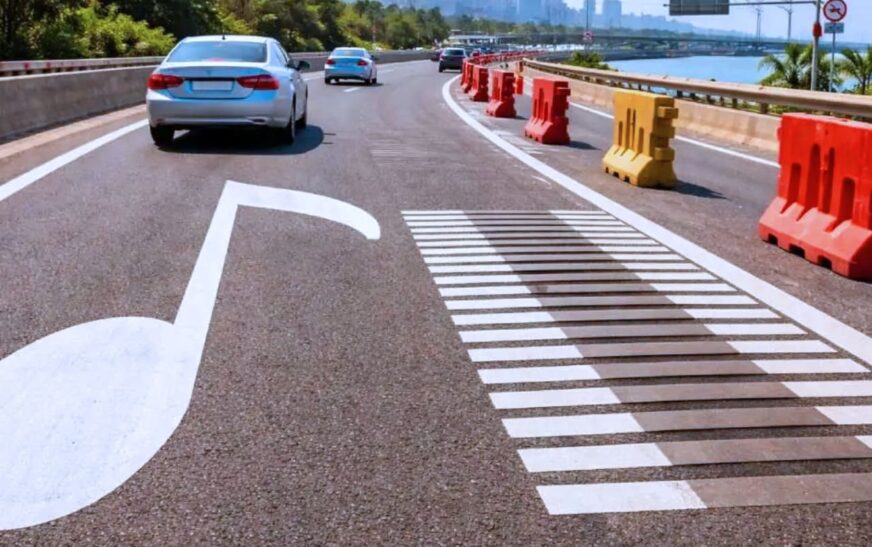
India’s first musical road, Mumbai musical road has transformed the way people experience driving in the city. In a remarkable example of urban infrastructure innovation, Mumbai has introduced a 500m musical stretch that plays the iconic “Jai Ho” tune when vehicles drive at a specific speed.
This creative initiative is part of the broader Mumbai Coastal Road development and reflects how India is blending musical road technology with road safety and smart engineering.
Let’s explore how this innovative road design India project works and why it is gaining national attention.
What is India’s First Musical Road, Mumbai Musical Road?
The Mumbai musical road is a specially engineered 500-meter stretch designed with precision-cut rumble strips. When vehicles pass over these strips at 70–80 kmph, vibrations create a musical sound inside the car.
The chosen melody? The globally loved song Jai Ho.
This musical innovation is not just entertainment. It promotes speed regulation and enhances driving discipline.
Mumbai Coastal Road Jai Ho: Where Is It Located?
The musical stretch is part of the ambitious Coastal Road project Mumbai.
The Coastal Road project Mumbai aims to reduce congestion, improve travel time, and enhance connectivity along the western coastline. Now, it also offers one of the most unique travel experiences Mumbai has ever seen.
The 500m musical stretch Mumbai has quickly become a highlight for daily commuters and tourists alike.
How Musical Road Works: Understanding the Technology
If you’re wondering about the rumble strip explanation, here’s how musical road technology works in simple but detailed terms:
1. Precisely Spaced Grooves
Engineers cut small grooves into the asphalt surface at scientifically calculated distances. The spacing between each groove determines the pitch of the sound. Closer grooves create higher notes, while wider gaps create lower notes.
2. Speed-Based Sound Creation
When vehicles drive at 70–80 kmph, the tires strike these grooves at equal time intervals. This produces rhythmic vibrations that match the melody pattern — in Mumbai’s case, the tune “Jai Ho.”
3. Controlled Vibration System
There are no speakers installed on the road. The sound is created naturally when tire vibrations travel through the vehicle’s body and are heard inside the cabin. The road surface itself acts like a musical instrument.
4. Speed Encouragement Mechanism
If drivers go slower or faster than the ideal speed range, the rhythm breaks and the tune becomes unclear. This gently encourages drivers to maintain the correct speed, supporting traffic discipline.
5. Durable Road Engineering
The grooves are designed carefully so they do not weaken the road surface. Engineers ensure:
- Proper depth control
- Weather resistance
- Minimal impact on tire wear
- Long-term durability
Budget and Cost Estimation
The 500m musical stretch Mumbai was developed as part of the larger Coastal Road project Mumbai. While the total Coastal Road project budget runs into thousands of crores, the musical stretch itself had a separate allocated cost.
The estimated cost of developing the 500-meter musical road is approximately ₹6.21 crore (plus GST), as reported by civic authorities.
Key Cost Components Included:
- Precision cutting and installation of specialized rumble strips
- Acoustic engineering and melody calibration
- Road surface finishing and durability testing
- Safety audits and traffic integration measures
- Technical consultation and project execution
- Long-term maintenance planning
Although it uses modified rumble strip technology rather than completely new infrastructure, the precision engineering, testing, and design calibration significantly increased the cost compared to traditional rumble strips.
However, compared to large-scale urban infrastructure investments, it is still considered an innovative and experimental addition within the broader Coastal Road development.
Rumble Strips Mumbai: From Safety to Music
Traditionally, rumble strips Mumbai were installed to alert drivers when they drift out of lanes. They are widely used globally to prevent accidents.
Now, Mumbai innovative projects 2026 have reimagined this concept into Jai Ho technology road innovation.
Instead of just warning drivers, the musical road safety benefits include:
- Encouraging optimal speed
- Reducing overspeeding
- Increasing driver alertness
- Enhancing driving experience
- Promoting safe lane discipline
This makes the Mumbai musical road both functional and experiential.
500m Musical Stretch Mumbai: Why 70–80 kmph?
The drive at 70–80 kmph music concept is deliberate.
When drivers maintain the ideal speed:
- The Jai Ho tune plays clearly.
- The rhythm remains smooth.
- The driving experience feels synchronized.
If drivers exceed or drop below that speed range:
- The melody breaks.
- The tune becomes unclear.
This clever engineering ensures that the musical road safety benefits are practical and measurable.
Innovative Road Design India: A New Urban Identity
India’s first musical road, Mumbai musical road is more than a novelty.
It represents:
- Urban infrastructure innovation
- Creative engineering solutions
- Smart mobility integration
- Tourism enhancement
- Modern road design thinking
Globally, countries like Japan and Denmark have experimented with musical roads. Now, India joins that list.
You can explore similar global examples through resources like National Geographic, which has documented musical road experiments worldwide.
Jai Ho on Coastal Road: Cultural Significance
Choosing “Jai Ho” was not accidental.
The song symbolizes celebration, pride, and global recognition. By embedding Jai Ho on Coastal Road, the city adds cultural emotion to infrastructure.
It turns a daily commute into an engaging journey.
This strengthens Mumbai’s image as a city that embraces creative public innovation.
Musical Road Safety Benefits: Beyond Entertainment
Many assume the musical road is purely for fun. But the real impact lies in road discipline.
Key Safety Advantages:
- Promotes speed compliance
- Reduces sudden braking
- Encourages attentive driving
- Creates awareness of speed limits
- Minimizes reckless acceleration
By blending musical road technology with rumble strips Mumbai, authorities have added emotional engagement to safety design.
This is a classic example of music & road safety integration.
Unique Travel Experiences Mumbai
Mumbai is known for:
- Marine Drive
- Sea Link
- Bustling city life
Now, the Mumbai musical road joins the list of unique travel experiences Mumbai offers.
Commuters are not just driving — they are participating in an interactive road design experiment.
Future of Musical Road Technology in India
If successful, similar projects may expand to:
- Highways
- Tourist routes
- Smart cities
- Express corridors
This initiative could inspire more innovative road design India projects nationwide.
The success of India’s first musical road, Mumbai musical road proves that infrastructure does not have to be boring.
It can be smart | It can be safe | It can be musical.
Conclusion
India’s first musical road, Mumbai musical road is redefining how people experience infrastructure. As part of the Coastal Road project Mumbai, it merges musical road technology with safety innovation. With its 500m musical stretch Mumbai, drive at 70–80 kmph music concept, and Jai Ho technology road engineering, this project reflects the next phase of urban infrastructure innovation in India.
Mumbai is not just building roads,It is building experiences.
At IVedaHelp, we bring you insights into such groundbreaking developments that shape modern India and redefine the future of smart infrastructure.